
Stress is a universal part of our lives, yet our response to it shapes our well-being. Gasping for a better understanding of our stress response is key to a healthy mind-body connection. You have the power control the way you respond to stress. This article delves into stress’s complexities, its effects on our health, and strategies for resilience.
Understanding the Mind-Body Connection in Stress Response
Our minds and bodies are deeply connected, especially when we face stress. The mind-body connection is key in how our bodies react to stress. It affects both our physical and emotional health. If the type of stress response affects our bodies long enough, it could affect our behaviors, reactions, and overall the spirit within us. The spirit is seen as the inner core of each person, encompassing their will, emotions, and capacity for connection with God
Emotional Impact on Body Systems
Stress also hits us emotionally. It can lead to anxiety, irritability, and depression. These feelings can worsen the physical symptoms, creating a cycle of distress.
The Biblical Perspective on Managing Stress and Anxiety
As children of God, we find solace in the Bible’s teachings on stress and anxiety. The Christian perspective on stress response offers a holistic approach. It addresses the mind, body, and spirit, reminding us we’re not alone in our struggles.
The Bible verses give us a strong foundation for managing stress and anxiety. They encourage us to cast our cares on God and find refuge in His love and grace. Through passages on faith, prayer, and trust, we gain insight into maintaining a balance between our mind, body, and spirit during hard times.
“Do not be anxious about anything, but in every situation, by prayer and petition, with thanksgiving, present your requests to God. And the peace of God, which transcends all understanding, will guard your hearts and your minds in Christ Jesus.” (Philippians 4:6-7)
By embracing the Christian perspective on stress response, we can reframe our challenges. We find strength in divine guidance and the assurance of never being alone. The Bible’s wisdom guides us through life’s demands, leading to greater inner peace and resilience. The bible can remind readers that God is always there for them, regardless of the emotions they feel and/or act on.
Stress Response with DBT: Fight vs Flight & Freeze vs Fawn
Understanding our stress response is key to managing its effects on our body and mind. The fight, flight, freeze, & fawn responses are deeply ingrained in our psychology, shaped by our evolutionary heritage. Let’s explore each response and how Dialectical Behavior Therapy (DBT) can help us navigate them effectively.
Understanding Fight Response
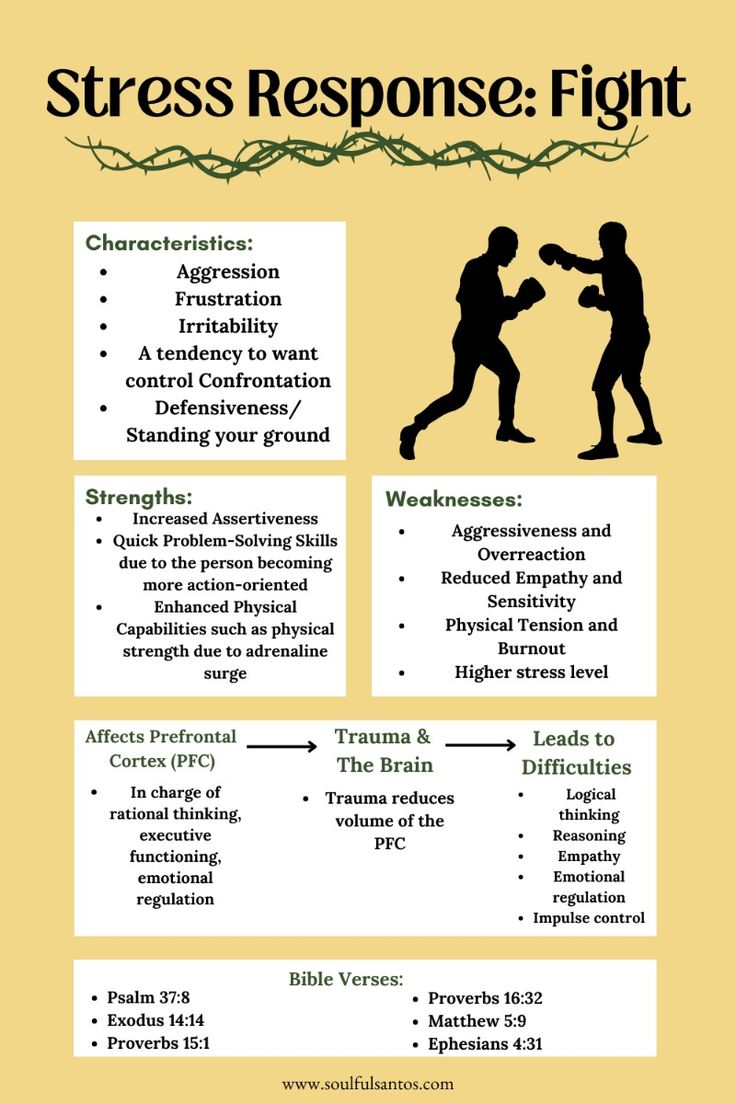
The fight response prepares us to confront a perceived threat. When faced with stress, our sympathetic nervous system activates, releasing adrenaline and cortisol. This increases our heart rate, blood pressure, and muscle tension, preparing us for a physical confrontation. If you are someone who primarily responds in a “fight” instinct can try coping skills such as breathing exercises, sensory intervention, taking space away from a certain person or environment, and having visual support. The greatest skill I personally believe that has been impactful is being active in sports and activities. Physical activities can help remove the bodily tension within and help you focus on working as a team with others or finding a sense of purpose within that activity.
“Cease from anger, and forsake wrath;
Do not fret—it only causes harm.”-Psalm 37:8 (NKJV)
Understanding Flight Response
The flight response is our body’s way of escaping a perceived threat. When we feel overwhelmed, our body’s instinct is to flee. This response involves hormones that divert blood flow to our large muscle groups, enabling us to run or move quickly to safety. If you are someone who primarily responds in a “flight” instinct can use coping skills such as grounding techniques, making large tasks into small steps, time management, and visual exercises. The greatest skill I personally believe that has been impactful is practicing assertiveness by yourself such as using a mirror and talking to yourself or having a private space to talk to God.
Whenever I am afraid,
I will trust in You.-Psalm 56:3 (NKJV)

Understanding Freeze Response
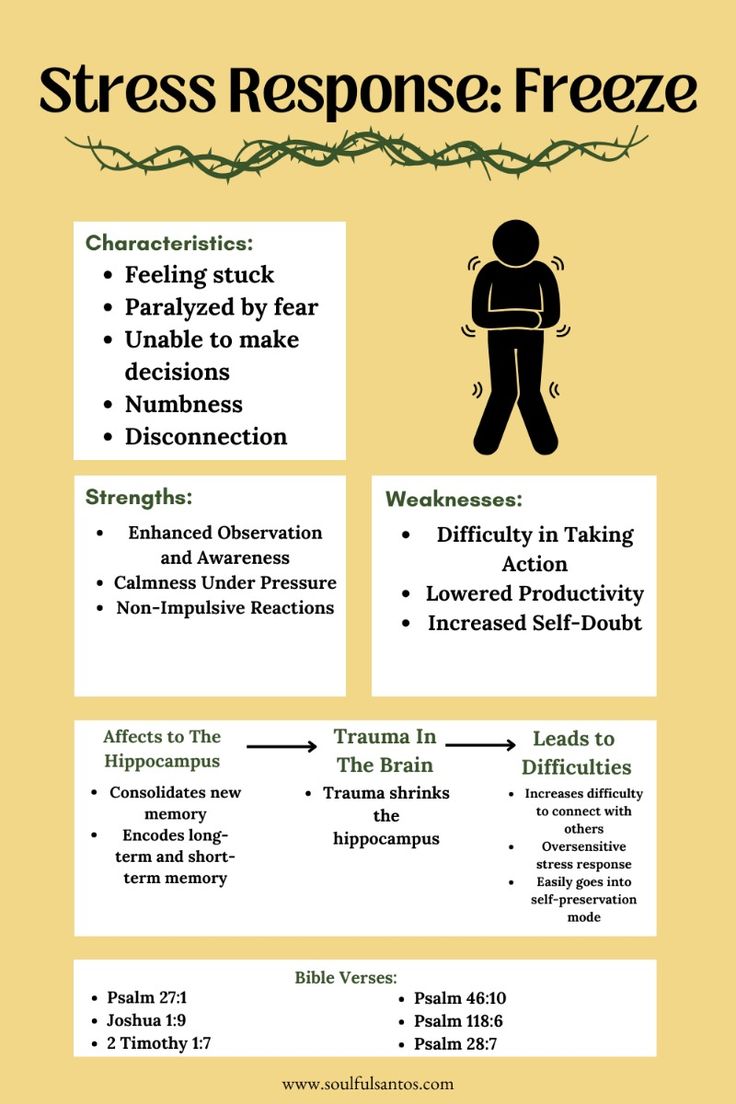
The freeze response is a less well-known but equally important stress reaction. When faced with a threat we perceive as inescapable, our body may enter a state of paralysis. This defensive mechanism is believed to have evolved as a way to avoid detection by predators. People who tend to use this response often typically are over thinkers. If you are one of these people, try engaging in physical activities/movement or practice progressive muscle relaxation (PMR). Two coping skills that I believe can be impactful are taking small, actionable steps, which encourages you to break free from overthinking about the task or creating positive thoughts after having negative thoughts popping up.
“Have I not commanded you? Be strong and of good courage; do not be afraid, nor be dismayed, for the Lord your God is with you wherever you go”
-Joshua 1:9 (NKJV)
Understanding Fawn Response
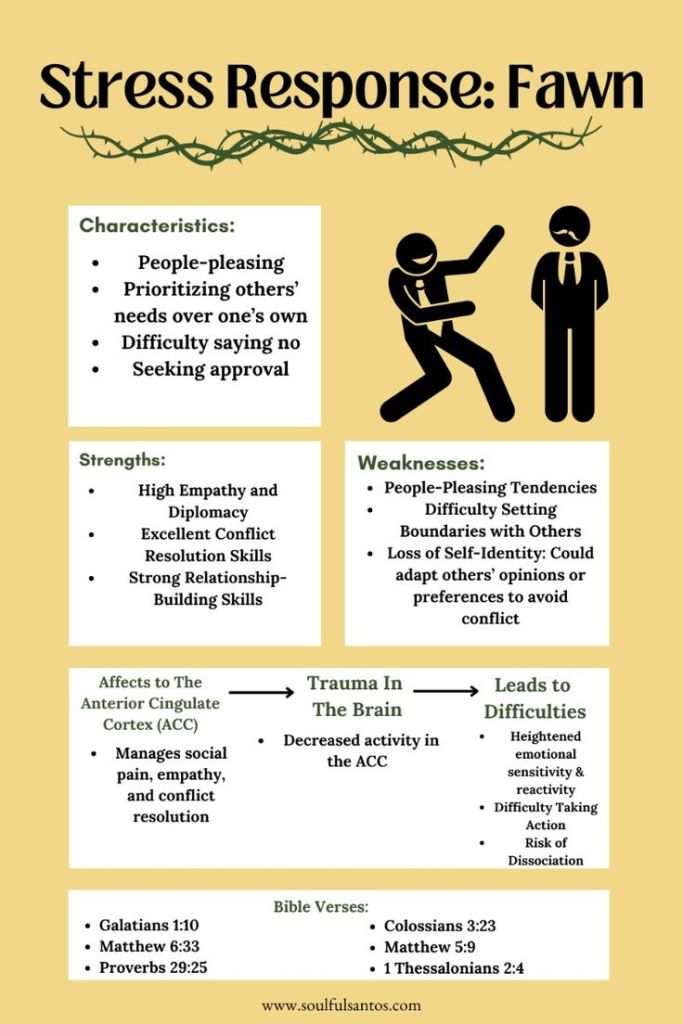
The fawn response is a people pleasing response to others or situations. This response affects the anterior cingulate cortext, manages social pain, empathy, and conflict resolution. Individuals who typically use this response frequently seek approval, have difficulty saying ‘no’, and would prioritize others before their own needs. If you are an individual who tends to use this stress response the most, it is best to practice self-control and making practical choices that fit your best interests. Other ways to cope from using this response often is to role play assertive communication. It is ultimately critical to develop self-care routines and reflect on your own needs since these people can tend to be people pleasers.
For do I now persuade men, or God? Or do I seek to please men? For if I still pleased men, I would not be a bondservant of Christ.
– Galations 1:10 (NKJV)
Dialectical Behavior Therapy (DBT) offers a framework for understanding and managing these stress responses. By cultivating mindfulness, emotion regulation, and interpersonal effectiveness skills, individuals can learn to recognize their triggers. They can then develop adaptive coping strategies to navigate the challenges of the fight, flight, and freeze responses.
How Our Nervous System Processes Stress Signals
The autonomic nervous system (ANS) is part of the peripheral nervous system which controls vital functions. There are two systems under the ANS and they are the parasympathetic nervous system and the sympathetic nervous system. The parasympathetic nervous system (PNS) is known as the “rest and digest” system. It counters the “fight or flight” response of the sympathetic nervous system. It slows our heart rate, lowers blood pressure, and promotes relaxation. This helps us manage stress response and maintain mental health. The sympathetic nervous system (SNS) is your body’s built-in emergency response system that works without conscious control. Think of it as your “fight-or-flight” mode—it kicks in when you face a threat or high-stress situation, preparing your body to react quickly and effectively.
But stress isn’t just about action; it’s also about emotions. Those same stress hormones influence the limbic system, where emotions are processed, causing feelings of fear, anxiety, or anger. At the same time, your body responds physically—think clenched fists, shaky hands, or even pacing. Chronic stress adds another layer by keeping your body stuck in high alert, which can dampen your immune system, mess with digestion, and leave you feeling emotionally drained.
“The greatest weapon against stress is our ability to choose one thought over another.” – William James
Long-term stress can upset our nervous system’s balance. This leads to physical and emotional symptoms. Knowing how our nervous system handles stress is crucial for managing it and improving well-being. By understanding the link between our nervous system, stress response, and mental health, we can improve our relationship with stress. Next, we’ll look at practical ways to do this.
The Impact of Cortisol on Mind and Body
Cortisol, our body’s main stress hormone, is vital for our physical and mental health. It’s crucial to grasp how cortisol affects us to manage stress and live a healthy life.
When we face stress, our body’s stress response kicks in, releasing cortisol. This cortisol surge can affect us immediately and over time, impacting our physical and emotional health.
The Physiological Effects of Cortisol
Cortisol triggers various physical changes, including:
- Increased heart rate and blood pressure
- Heightened senses and muscle tension
- Diversion of blood flow away from the digestive system
- Suppression of the immune system
These stress signs can lead to health issues like headaches, muscle pain, fatigue, and a weakened immune system.
The Psychological Impact of Cortisol
Cortisol’s effects aren’t just physical; it also affects our mental and emotional health. High cortisol levels are linked to:
- Increased anxiety and feelings of overwhelm
- Difficulty concentrating and impaired memory
- Mood swings and irritability
- Decreased motivation and a sense of apathy
These mental effects can worsen the stress cycle, making it hard to break free.
| Physical Manifestations of Stress | Psychological Impact of Stress |
|---|---|
| Increased heart rate and blood pressure | Increased anxiety and feelings of overwhelm |
| Heightened senses and muscle tension | Difficulty concentrating and impaired memory |
| Diversion of blood flow away from the digestive system | Mood swings and irritability |
| Suppression of the immune system | Decreased motivation and a sense of apathy |
Understanding cortisol’s effects on our body and mind helps us manage stress better. This knowledge is key to promoting health and resilience.
A surreal depiction of cortisol levels represented as fluctuating waves of color, merging vibrant blues and calming greens with contrasting bursts of fiery red, set against an abstract background symbolizing the mind and body connection, incorporating elements like a human silhouette filled with dynamic energy, and organic shapes resembling stress and relaxation intertwined.
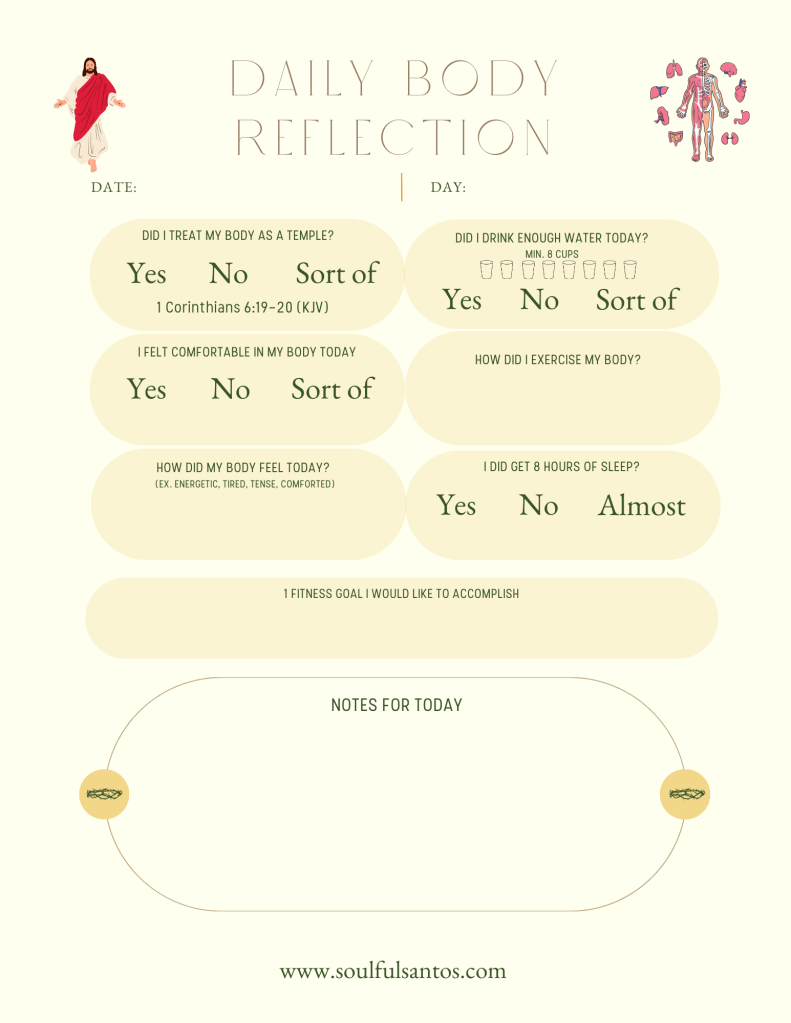
Incorporate these habits by utilizing this ‘Daily Body Reflection’ Worksheet. Learn how to care for your temple, reflect your water & sleep, think about the exercises you would like to engage in for the day, and more! Purchase this worksheet today for just $1.
More Mindful Exercises
Breathing Exercises
Our breath is a key player in emotional balance. Simple exercises like deep breathing or the 4-7-8 method can calm our nervous system. Regular practice helps manage stress symptoms and builds distress tolerance.
Grounding Methods
Grounding techniques are crucial when stress feels too much. They help us stay present and regain control. Activities like observing our surroundings, gentle touch, or focusing on a sensory object can ground us. These methods can stop stress and anxiety from spiraling out of control.
Managing stress is a continuous journey, and what works for one person might not work for another. By trying different techniques, we can build a collection of strategies. This empowers us to face stress with more confidence and resilience.
Building Resilience Through Understanding Stress
Dealing with daily life’s challenges can be overwhelming. Yet, by grasping our stress responses, we can build resilience and preserve our well-being. Stress is an inherent part of being human. Our ability to handle it significantly impacts our lives.
Building resilience is a lifelong learning and adaptation journey. As we understand the mind-body connection and our stress response better, we gain the power to face daily challenges more confidently. Embracing this journey allows us to not only survive but thrive in adversity, emerging stronger and more capable.

Check out more @soulfulsantos on TikTok, Instagram, & Pinterest!
 Soulful Santos
Leave a comment