

God the Father represents the ultimate source of wisdom, guidance, and creation. He is the foundational aspect of the Holy Trinity—Father, Son, and Holy Spirit—each having a unique role yet remaining interconnected. Similarly, the soul has three criteria that define it: the mind, willpower, & emotions. The mind is often seen as the center of human consciousness and decision-making, playing a critical role in shaping one’s thoughts, beliefs, and actions. This connection highlights interesting parallels that can provide deeper insight into how individuals can lead a more spiritually connected life.
The mind is generally understood as the seat of thoughts, emotions, perceptions, and cognitive functioning. This is where the human consciousness is processed. It’s the part of us that processes information, makes decisions, formulates ideas, and allows us to experience self-awareness. The mind is often thought of as encompassing:
Thought: Considered to mediate between inner activity and external stimuli. This inner activity can be intrinsic and/or extrinsic.
Emotions: The range of feelings we experience in response to thoughts and external events.
Perception: The way we interpret sensory information from the world around us.
Cognition: our thoughts, memories, and decision-making processes.
The mind is more than just part of an organ that processes information; it’s a spiritual dimension that connects individuals to deeper truths, moral values, and ultimately, to God. The soul, on the other hand, is the source of our spiritual self. This would be the core of self that exists beyond physical and mental attributes. The soul is often seen as the part that God would give eternal life. Another aspect of the soul is seen as The moral compass that guides us toward what is right and true in a more profound way than the mind alone can. There is a relational aspect that the soul connects us not just with God, but with others, often thought of as the seat of empathy, love, and a deeper understanding of purpose. This would be the area that the armor and spirit of God.
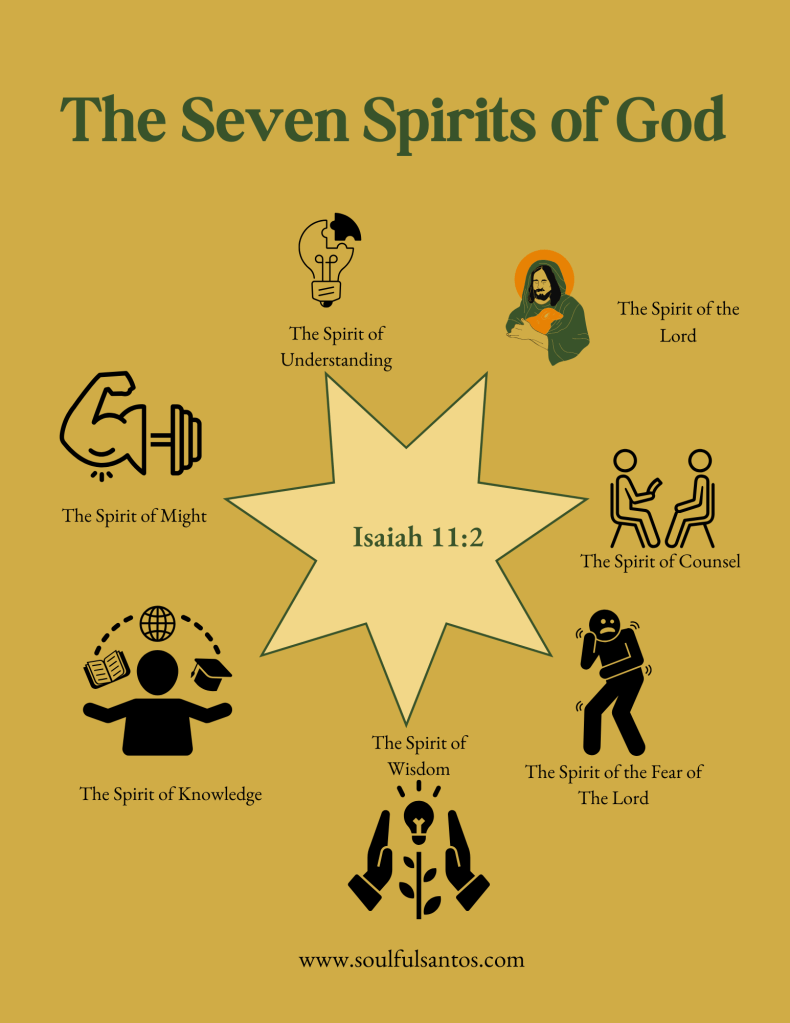
The Significance of the Sign of the Cross Prayer
The Sign of the Cross is a traditional Christian gesture symbolizing one’s faith, often accompanied by a short prayer: “In the name of the Father, and of the Son, and of the Holy Spirit.” When making the Sign of the Cross, one often touches the forehead (representing the mind or God the Father), the chest (symbolizing the heart, or the seat of emotion, linked to the Son), and then moves from one shoulder to the other (invoking the Holy Spirit).
Touching the forehead when invoking the Father is no coincidence. In Christianity, God the Father is seen as the mind of the Holy Trinity, the origin of divine knowledge and intention. This relates directly to the human mind or soul, as both are considered sources of thought, wisdom, and guidance. Just as God the Father is the beginning of divine will, the mind initiates actions and decisions, influencing one’s daily life.
Ad: Affirmation Bible Verse Jar

Discover a new way to fill your life with positivity, love, and God’s word! The Affirmation Bible Verse Jar is designed to uplift, inspire, and help you stay centered in faith every day. Simply pull out a new verse each morning or whenever you need a pick-me-up, and let His word guide you through the day.
What’s Inside?
- Affirmations and blessings to help deepen your connection with God.
- A wonderful tool to support your spiritual journey, make daily devotion easy, and fill your heart with peace and joy.
- Have a constant reminders of God’s unwavering support and protection✨
Perfect as a gift or as a personal reminder to stay connected to God’s promises. Get yours today for $16.99 and start each day with a message from God!
Understanding the Mind (Soul) and God the Father
God the Father: God the Father is the Creator, the one who brings forth life, knowledge, and order. He is often associated with the qualities of authority, wisdom, and protection, setting the standard for moral and ethical behavior.
Mind (Soul): The mind is part of the soul which allows every living creature to generate thought, form intentions, and self-reflect on morality. The mind is more than an organ that processes information; it’s a spiritual dimension that connects individuals to deeper truths, moral values, and ultimately, to God.
Both God the Father and the mind are responsible for creating and guiding. God the Father creates life and sustains the universe, while the mind creates thoughts, plans, and moral judgments that lead to action. The mind, when aligned with God’s will, becomes a tool for discerning truth and living a life of purpose.
Integrating This Understanding into Daily Habits
- Daily Reflection and Prayer: Just as God the Father is a guiding force, individuals can set aside time each day to reflect on their thoughts, actions, and motivations. A few minutes of silent prayer or journaling can help align the mind with God’s will, fostering a clearer sense of purpose and direction.
- Seek Wisdom and Understanding: God the Father is associated with wisdom, and the mind is the tool for seeking it. Engaging in regular study of the Bible, meditating on Scripture, or exploring other methods to build a relationship with God. Being spiritual is This practice can improve decision-making and provide spiritual nourishment.
- Align Actions with Moral Values: The mind’s ability to discern right from wrong mirrors God the Father’s role as the moral compass of the universe. Practicing gratitude, setting intentions for the day, or writing down personal values can help individuals stay in tune with God’s guidance. These habits can make it easier to navigate daily challenges with a Christ-centered mindset.
- Practice Mindfulness: A mindful approach to daily life, where one intentionally focuses on the present moment, is a way to honor both the mind and God the Father. This could include taking deep breaths during moments of stress, offering a quick prayer for clarity, or being fully present in conversations. These practices help keep the mind focused on positive, God-aligned thoughts.
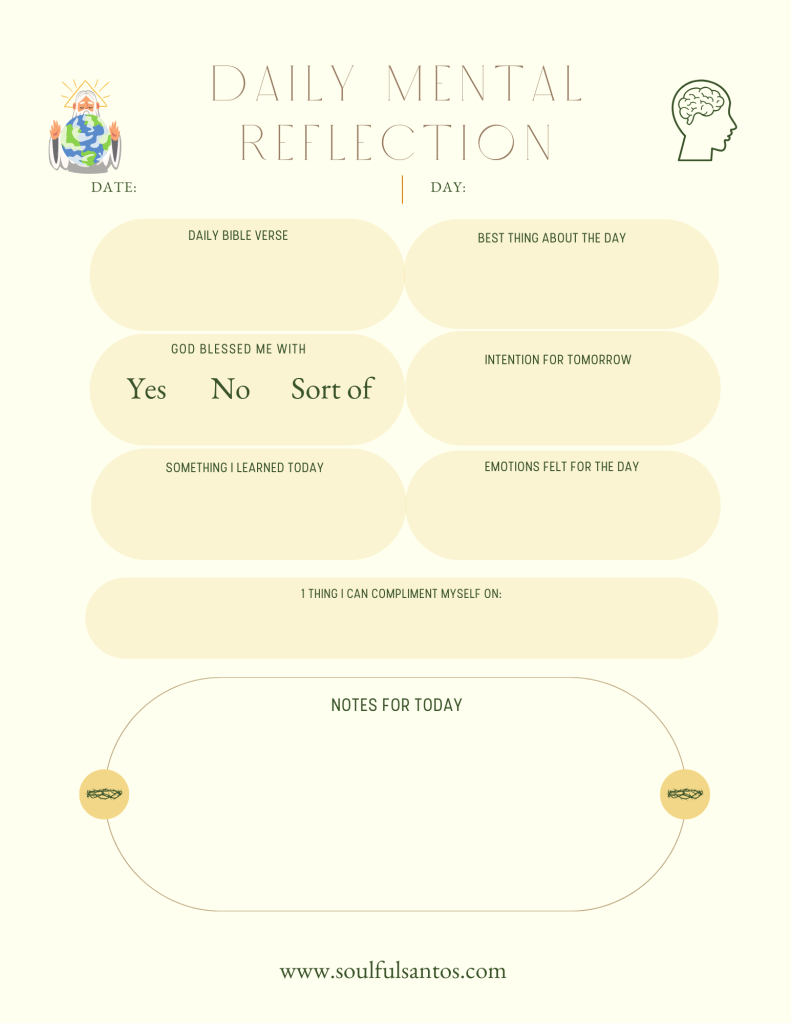
Incorporate these habits by utilizing this ‘Daily mental Reflection’ Worksheet. Learn how to set intentions, reflect on the emotions you felt for the day, think about God’s blessings, and more! Purchase this worksheet today for just $1.
Neural Pathways While Engaging in Prayer
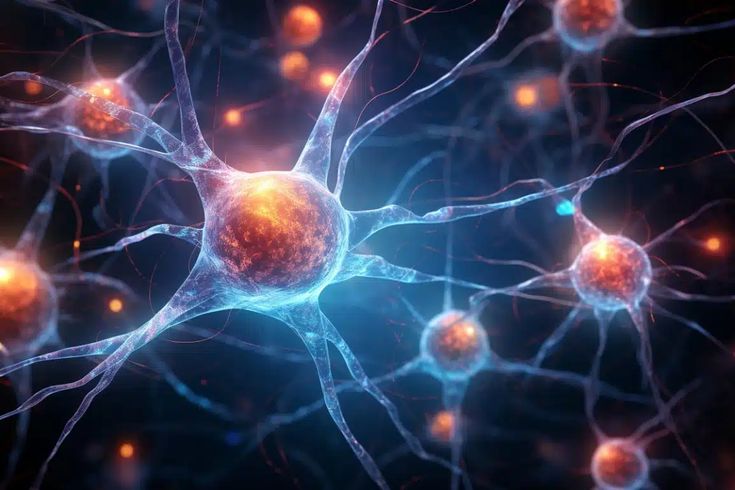
Neural pathways in our brain are significantly shaped by our thoughts, beliefs, and repeated behaviors. When a person maintains a strong faith in God and engages in prayer regularly, unique neural pathways are formed that reinforce feelings of peace, trust, and resilience. This spiritual practice encourages the brain to create and strengthen connections in areas related to self-regulation, empathy, and emotional stability, such as the prefrontal cortex. Furthermore, prayer and faith-based meditation activate the brain’s reward centers, releasing dopamine, a neurotransmitter associated with positive emotions, and oxytocin, known for fostering social bonding and a sense of security. By regularly focusing on God and cultivating a trusting relationship with Him, the mind becomes aligned with thoughts of hope, compassion, and love. This deep connection can reflect the qualities of God the Father within the mind, emphasizing His wisdom, love, and guidance, and offers a pathway to embody these divine characteristics in daily life.
How Prayer Affects Mental Processing
- Regular prayer has been shown to reduce stress, anxiety, and depression, promoting overall mental health.
- The act of communing with God the Father through prayer can enhance cognitive function, improving decision-making and critical thinking skills.
- Numerous studies have highlighted the role of prayer in regulating emotional responses and fostering a greater sense of inner peace and clarity.
As we explore the intricate connections between the mind, body, and spirit, we are reminded of the profound impact that our relationship with God the Father can have on our overall well-being.
God’s Role in Critical Thinking and Discernment
As a person of faith, you might wonder how your Christianity can enhance your critical thinking skills and discernment. Surprisingly, the Bible offers a wealth of wisdom that can guide you in developing a balanced approach to faith and intellect.
When we approach God with an open and inquisitive mind, we can unlock new depths of understanding. The Book of James reminds us, “My brethren, count it all joy when you fall into various trials, knowing that the testing of your faith produces patience. But let patience have its perfect work, that you may be perfect and complete, lacking nothing. If any of you lacks wisdom, let him ask of God, who gives to all liberally and without reproach, and it will be given to him. But let him ask in faith, with no doubting, for he who doubts is like a wave of the sea driven and tossed by the wind. For let not that man suppose that he will receive anything from the Lord; he is a double-minded man, unstable in all his ways.” (James 1:2-8). By seeking God’s divine guidance, we can cultivate the critical thinking skills necessary to navigate complex decisions and discern the truth.
- Develop a habit of prayerful reflection, asking God to grant you wisdom and discernment.
- Approach challenges with a curious and open-minded attitude, willing to consider multiple perspectives before reaching a conclusion.
- Rely on the biblical principles of fairness, justice, and compassion to guide your decision-making process.
By embracing the synergy between faith and intellect, you make wise decisions that honor God and benefit those around you.
Identifying Destructive Thought Patterns & Implementing Solutions
The first step in your journey of mental transformation is to become acutely aware of the toxic thoughts that may have taken root in your mind. These can include negative self-talk, fear-based beliefs, or a tendency to catastrophize. Through the lens of biblical principles, you can learn to recognize these detrimental thought patterns and their impact on your overall well-being.
Once you’ve identified the thought patterns that are holding you back, use scripture to replace your negative patterns with its wisdom. The Bible offers a wealth of strategies for cultivating a mindset that aligns with the divine plan for your life. From practicing gratitude to embracing the power of forgiveness, these solutions that the bible can help you reframe your thoughts and experience a newfound sense of peace and purpose.
Conclusion
The connection between God the Father and the mind (soul) reveals a profound similarity to which both are centers of wisdom and purpose. Ultimately, steering individuals toward a life aligned with God’s will. By reflecting on the similarities between them and incorporating daily habits like prayer, mindfulness, and Scripture study, individuals can create a more purposeful life that honors both their minds and God the Father. A way to practice this is to use the ‘Daily Mental Reflection’ Worksheet for just $1
By understanding the divine link between your mind, body, & spirit, you can cultivate a stronger relationship with the Almighty and harness the power of biblical wisdom to transform your thought patterns. Whether you’ve discovered the neural pathways of faith, learned to practice biblical meditation, or recognized God’s role in critical thinking, these principles can serve as a solid foundation for your continued intellectual and spiritual development.
 Soulful Santos
Leave a comment