
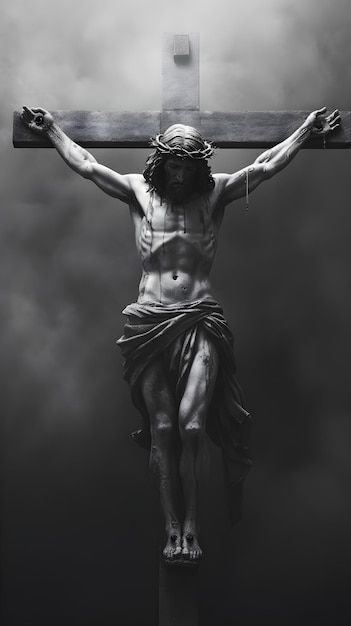
God the Son, represented by Jesus Christ, is seen as the incarnation of God—God made flesh. This powerful theological concept illustrates how God took on a physical body to experience human life, to teach, heal, and ultimately redeem humanity through His sacrifice on the cross. The human body is a vessel for experiencing the world, for doing good, and for connecting with others.
The human body is a physical vessel that allows individuals to interact with the world. It is through the body that people experience emotions, express thoughts, and take action. Christianity teaches that the body is a temple of the Holy Spirit, valuable and worthy of care, emphasizing that what one does with their body has spiritual significance. The body becomes a living testament of one’s beliefs, just as Jesus’ life and actions were a testament to His divine mission.
Just as Jesus used His physical form to heal, teach, and serve, Christians are encouraged to use their bodies as instruments of love and service, recognizing the divine potential in their everyday actions.
The Significance of the Sign of the Cross Prayer
The Sign of the Cross is a central practice in Christianity. It involves touching the forehead (for the Father), moving down to the heart (for the Son), and then from one shoulder to the other (for the Holy Spirit). When the hand moves to the chest to represent the Son, it emphasizes the centrality of Christ to human experience—how He lived in a physical body to bring the divine closer to humanity.
Touching the chest symbolizes the heart, the center of human life, emotions, and physical existence. Jesus Christ, Son of God, fully embraced human nature by living in a human body, sharing the same joys and struggles that all humans face. This physical connection reflects how the body is not just a temporary vessel but a sacred aspect of one’s existence, valuable in the eyes of God.
Through the incarnation of Christ, the Lamb of God took on human form, bridging the gap between the eternal and the temporal, the divine and the mortal. By becoming flesh, Jesus Christ demonstrated the inherent value and significance of our physical bodies, revealing that our corporeal nature is not merely a vessel, but an integral part of our relationship with the Holy Trinity.
The Role of the Body in Worship
The body plays a crucial role in our worship practices, enabling us to express our devotion to God through physical gestures and postures. Whether kneeling in reverence, raising our hands in praise, or bowing in humility, these physical actions can deepen our spiritual engagement and heighten our awareness of the mind, body, and spirit connection. Devoting our time and efforts to God doesn’t just have to be in an mediative state, it can be during engaging in a sport or exercising at the gym. Incorporate your temple in whichever manner you know is a healthy mechanism such as diet, exercise, and maintaining a sober body.
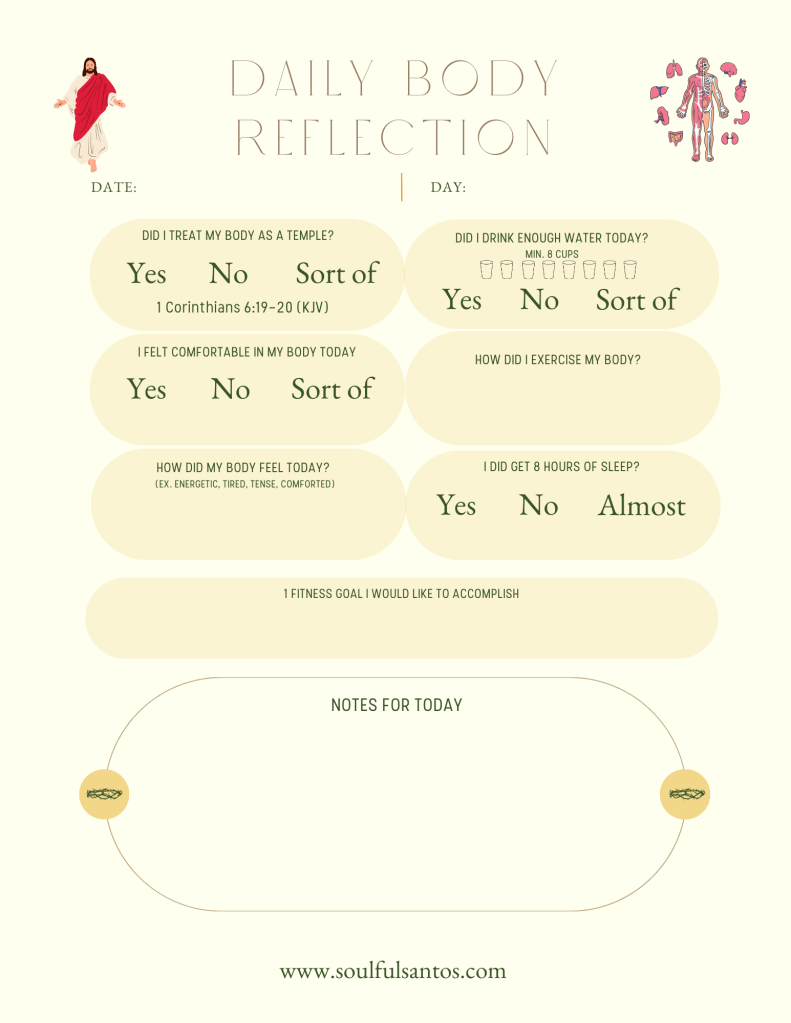
Ad: Baily Body Reflection
Get connected with your body and the Holy Trinity by incorporating helpful habits by utilizing this ‘Daily Body Reflection’ Worksheet. Learn how to be nourish your body, reflect on the how your body was treated for the day, and more! Purchase this worksheet today for just $1.
The Incarnation: When Divinity Met Humanity
The incarnation of Jesus Christ, the Son of God, is a profound mystery that has captivated the hearts and minds of believers throughout the ages. This pivotal moment in history marks the divine meeting with the human, as the eternal Word took on flesh and dwelled among us.
Understanding Our Physical Nature Through Jesus
- The incarnation reminds us that our physical bodies are not mere vessels, but integral to our identity as created in the image of God.
- By fully inhabiting a human form, Jesus affirms the goodness and importance of our physical nature, which is essential to our spiritual growth and connection with the divine.
- Through the Crucifixion and Resurrection, Jesus shows us that the physical and the spiritual are inextricably linked, and that our bodies have a vital role to play in our relationship with God.
As we reflect on the mystery of the incarnation, we are invited to honor and care for our physical selves, recognizing that our bodies are sacred temples where the Spirit of God dwells.
Nurturing Your Physical Temple for Spiritual Growth
Our physical bodies are not merely vessels for the soul; they are sacred sanctuaries where the Spirit of God dwells. Caring for this physical temple is a crucial aspect of spiritual growth and wellness. By nurturing our mind, body, and spirit in harmony, we can cultivate a stronger and more meaningful relationship with the divine. After all, how can we expect to commune with the divine if we neglect the very temple in which the divine resides?
Honoring the Body as a Spiritual Sanctuary
Embracing the concept of the body as a spiritual sanctuary means treating it with the utmost reverence and respect. This involves adopting healthy habits that nourish both the mind and body, such as:
- Engaging in regular exercise to maintain physical fitness and vitality
- Practicing mindful eating and hydration to fuel the body with nutrient-dense foods
- Prioritizing rest and relaxation to recharge the body and spirit
- Cultivating a lifestyle of balance and moderation, avoiding excessive indulgences
By honoring the physical temple, we create a harmonious environment where the mind, body, and spirit can thrive together, ultimately strengthening our connection with the divine.
Aligning the Physical and Spiritual Realms
The journey of nurturing the physical temple for spiritual growth also requires an intentional integration of our physical and spiritual practices. This can be achieved through activities such as:
- Engaging in prayerful, mindful movement, like yoga or tai chi
- Incorporating spiritual disciplines like fasting or meditation into our daily routines
- Exploring the use of sacred symbols, rituals, or sacraments to deepen our spiritual awareness
By aligning the physical and spiritual realms, we cultivate a harmonious state of being, where the body and soul work in unison to draw us closer to the divine.
| Physical Practices | Spiritual Benefits |
|---|---|
| Healthy Eating | Improved mental clarity and focus for spiritual disciplines |
| Regular Exercise | Enhanced energy and vitality for spiritual engagement |
| Mindful Breathing | Grounding and centering the mind and spirit |
| Restorative Sleep | Renewed vigor and receptiveness for spiritual growth |
By nurturing our physical temple, we create a sacred space where the mind, body, and spirit can thrive in harmony, empowering us to deepen our connection with the divine and experience true spiritual transformation.
Prayer and Physical Posture in Worship
As believers, our relationship with the Holy Spirit extends beyond the spiritual realm, encompassing our physical bodies as well. The way we position our bodies during worship can profoundly impact our connection with the divine.
Biblical Positions of Prayer
Throughout the Scriptures, we find a variety of postures that believers have adopted in their prayer lives. These positions often carry deep symbolic meaning, reflecting the heart’s attitude toward God. Some common biblical positions of prayer include:
- Kneeling – a posture of humility and reverence
- Standing – a stance of attentiveness and readiness to serve
- Prostrating – a posture of total submission and adoration
- Lifting hands – a gesture of offering and surrender
Ad: Affirmation Bible Verse Jar

Discover a new way to fill your life with positivity, love, and God’s word! The Affirmation Bible Verse Jar is designed to uplift, inspire, and help you stay centered in faith every day. Simply pull out a new verse each morning or whenever you need a pick-me-up, and let His word guide you through the day.
What’s Inside?
- Affirmations and blessings to help deepen your connection with God.
- A wonderful tool to support your spiritual journey, make daily devotion easy, and fill your heart with peace and joy.
- Have a constant reminders of God’s unwavering support and protection✨
Perfect as a gift or as a personal reminder to stay connected to God’s promises. Get yours today for $16.99 and start each day with a message from God!
Body Language in Worship
Beyond specific prayer positions, our body language during worship can also convey the state of our hearts. Gestures like raised hands, bowed heads, and even the way we carry ourselves can communicate our level of engagement and reverence. By aligning our physical actions with our spiritual disposition, we can experience a deeper connection with the Holy Spirit.
Living as Christ’s Physical Representatives
As believers, we are called to embody the love of Jesus Christ in our daily lives. By mirroring the compassion, kindness, and service that our Savior demonstrated, we can become the physical manifestation of His presence in the world. Embracing this responsibility with humility and grace, we are empowered to make a tangible difference in the lives of those around us.
Embodying Christ’s Love in Daily Actions
Through our words, actions, and attitude, we have the privilege of reflecting the Lord’s unconditional love. Whether it’s offering a listening ear, providing a helping hand, or simply radiating joy, every interaction can become an opportunity to share the transformative power of Jesus Christ. As we align our lives with His teachings, we inspire others to experience the profound love of God in a personal way.
Conclusion
The parallels between God the Son and the human body highlight the sanctity of physical existence. Both are seen as means through which divine love, wisdom, and healing are revealed. By reflecting on Jesus’ example and integrating habits of service, physical care, prayer, and small sacrifices, individuals can honor their own bodies as sacred vessels, living a life that mirrors the compassion and dedication of Christ. This approach not only nurtures spiritual growth but also strengthens the connection between our mind, body, and spirit.
 Soulful Santos
Leave a comment